Spanish
  English
  French
  Arabic
  Russian
  German
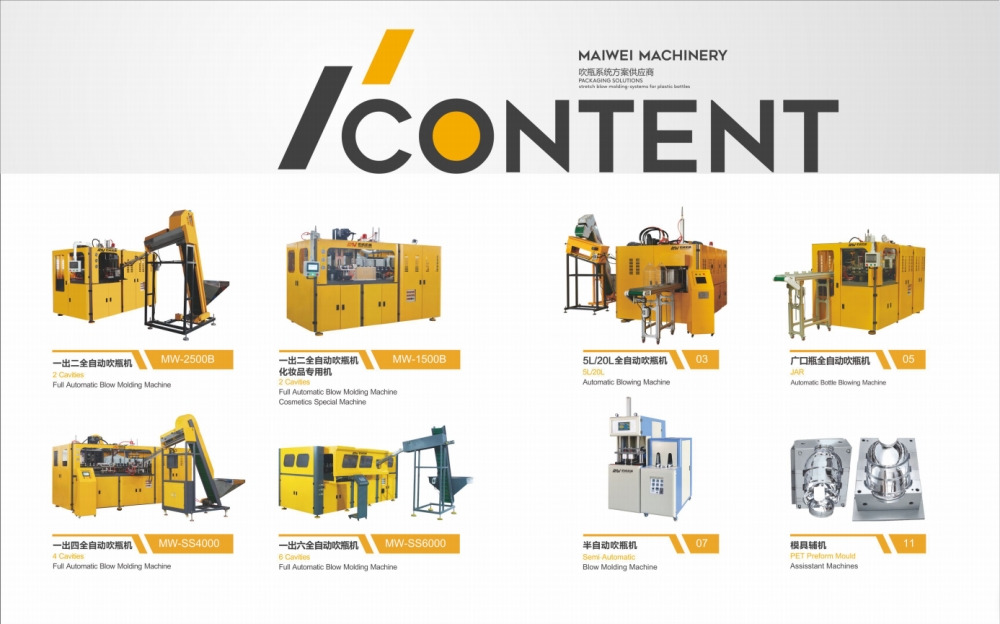
Taizhou Huangyan Maiwei Machinery Co., Ltd. is one of the largest extrusion blow molding machine, stretch blow molding machine and mold manufacturers in China. offer a wide range of machines, including automatic and semi-automatic blow moulding machines, PET bottle blowing machines, and multi-cavity blow moulding machines. These machines are highly customizable to meet the specific needs of our clients, and we also have the capability to produce custom-made machines upon request.
Our machines are widely used in the production of various plastic products such as bottles, containers, jars, and more, in industries such as food and beverage, pharmaceuticals, cosmetics, and household products. With our advanced technology and strict quality control measures, our machines have been well received by clients from all over the world, establishing a strong presence in the global market.
In addition to our commitment to providing high-quality machines, we also take pride in offering excellent after-sales services to our clients. Our experienced technicians provide installation, commissioning, and training services, ensuring that our clients can operate our machines smoothly and efficiently. We believe in constantly improving and adapting to meet the ever-changing demands of the plastic packaging industry. Our goal is to continue to be a leader in our field by providing cutting-edge technology, exceptional products, and outstanding services to our clients worldwide.
Choose blow moulding machine for plastic bottle for all your blow molding needs and let us help you take your packaging business to new heights.

Built to Last with High-Quality Materials We understand the importance of durability in manufacturing equipment. That’s why our blow moulding machine is built with high-quality materials and undergoes strict quality control measures to ensure long-lasting performance. Invest in our machine, and you’ll see the results for years to come.
The Ultimate Solution for Plastic Bottle Production – Our Blow Moulding Machine Our state-of-the-art blow moulding machine is the perfect solution for plastic bottle production. It provides efficient and high-quality production, ensuring consistent and reliable results. From small to large bottles, our machine can handle it all with ease.

The blow moulding machine for plastic bottle is a specialized equipment used in the manufacturing process of plastic bottles. It is an essential machine in the plastic packaging industry and has revolutionized the way bottles are produced. This machine is primarily designed to create hollow plastic containers by using the blow molding technique. The process involves a parison, which is a heated and softened plastic tube, being inflated into a mold cavity to form the desired shape of the bottle. With the advancement of technology, this machine has seen significant improvements in terms of efficiency, speed, and accuracy, meeting the demands of the fast-paced production industry. Its versatility allows it to produce a variety of bottle sizes and shapes, making it a highly sought after machine in the packaging industry. The blow moulding machine for plastic bottle is an indispensable tool in the production of plastic bottles and has played a vital role in the growth and development of the packaging industry.
1.What are some common defects that can occur during the blow moulding process for plastic bottle production?
2.What materials can be used in a blow moulding machine for plastic bottle?
3.What are some safety measures that need to be taken when operating a blow moulding machine for plastic bottle?
4.How does a blow moulding machine for plastic bottle compare to other methods of bottle manufacturing?
5.How is the quality of plastic bottles produced by a blow moulding machine ensured?
6.How do maintenance and repairs of a blow moulding machine for plastic bottle impact its productivity and efficiency?
7.Are there any specific maintenance requirements for a blow moulding machine for plastic bottle?
8.Can a blow moulding machine for plastic bottle be used for other types of containers?
9.Is blow moulding technology constantly evolving for plastic bottle production?
1.What are some common defects that can occur during the blow moulding process for plastic bottle production?
1. Thin or uneven walls: This defect occurs when the plastic material is not distributed evenly during the blow moulding process, resulting in some areas of the bottle being thinner than others. This can lead to weak spots and potential leaks in the bottle.
- Flashing: Flashing is excess plastic material that protrudes from the seams or edges of the bottle. This can occur when the mould is not properly closed or when there is too much pressure during the blowing process.
- Inconsistent neck finish: The neck finish of a bottle is the threaded portion where the cap is screwed on. Inconsistent neck finish can occur when the mould is not properly aligned, resulting in a crooked or misshapen neck.
- Poor surface finish: This defect can manifest as rough or bumpy surfaces on the bottle, which can be caused by a variety of factors such as improper cooling, poor mould design, or contamination of the plastic material.
- Air bubbles: Air bubbles can form inside the bottle during the blowing process, resulting in weak spots and potential leaks. This can be caused by inadequate cooling or poor quality plastic material.
- Warping: Warping occurs when the bottle becomes distorted or misshapen during the cooling process. This can be caused by uneven cooling or improper mould design.
- Inconsistent wall thickness: Similar to thin or uneven walls, inconsistent wall thickness can occur when the plastic material is not distributed evenly during the blowing process. This can result in weak spots and potential leaks in the bottle.
- Sink marks: Sink marks are depressions or indentations on the surface of the bottle, which can be caused by uneven cooling or inadequate pressure during the blowing process.
- Delamination: Delamination is the separation of layers in the bottle, which can occur when the plastic material is not properly bonded together during the blowing process.
- Contamination: Contamination can occur when foreign particles or impurities are present in the plastic material, resulting in defects such as discoloration or weak spots in the bottle.
2.What materials can be used in a blow moulding machine for plastic bottle?
1. Polyethylene (PE): This is the most commonly used material in blow moulding for plastic bottles. It is a versatile and cost-effective material that can be easily molded into various shapes and sizes.
Polypropylene (PP): PP is another popular material used in blow moulding for plastic bottles. It is known for its high strength, durability, and resistance to chemicals and heat.
Polyethylene terephthalate (PET): PET is a lightweight and strong material that is commonly used for making water bottles, soda bottles, and other food and beverage containers.
Polyvinyl chloride (PVC): PVC is a rigid and durable material that is commonly used in blow moulding for plastic bottles. It is often used for making bottles for household cleaning products and personal care products.
Polycarbonate (PC): PC is a strong and transparent material that is commonly used for making bottles for juices, milk, and other beverages.
Acrylonitrile butadiene styrene (ABS): ABS is a tough and impact-resistant material that is commonly used for making bottles for automotive and industrial applications.
High-density polyethylene (HDPE): HDPE is a strong and lightweight material that is commonly used for making bottles for household and industrial chemicals, as well as for milk and other dairy products.
Low-density polyethylene (LDPE): LDPE is a flexible and lightweight material that is commonly used for making squeeze bottles, shampoo bottles, and other personal care products.
Polystyrene (PS): PS is a lightweight and rigid material that is commonly used for making bottles for cosmetics, pharmaceuticals, and other consumer products.
Polyethylene naphthalate (PEN): PEN is a strong and heat-resistant material that is commonly used for making bottles for hot-fill applications, such as hot sauces and cooking oils.
3.What are some safety measures that need to be taken when operating a blow moulding machine for plastic bottle?
1. Wear appropriate personal protective equipment (PPE) such as safety glasses, gloves, and earplugs to protect against potential hazards.
Ensure that the machine is properly grounded to prevent electrical shocks.
Familiarize yourself with the machine’s operating manual and follow all safety instructions.
Keep the work area clean and free of clutter to prevent tripping hazards.
Do not wear loose clothing or jewelry that could get caught in the machine.
Never reach into the machine while it is in operation. Wait for the machine to stop completely before making any adjustments or repairs.
Use a lockout/tagout system to prevent accidental start-up of the machine during maintenance or repair.
Regularly inspect the machine for any signs of wear or damage and report any issues to a supervisor.
Use only approved materials and follow proper procedures for loading and unloading the machine.
Keep a fire extinguisher nearby and know how to use it in case of an emergency.
Do not operate the machine if you are fatigued or under the influence of drugs or alcohol.
Keep a safe distance from the machine while it is in operation to avoid injury from flying debris.
Follow proper procedures for handling and disposing of plastic materials to prevent environmental hazards.
Train all employees on the safe operation of the blow moulding machine and ensure they understand and follow all safety protocols.
4.How does a blow moulding machine for plastic bottle compare to other methods of bottle manufacturing?
Blow moulding is a popular method for manufacturing plastic bottles due to its efficiency, cost-effectiveness, and versatility. Compared to other methods of bottle manufacturing, such as injection moulding and extrusion blow moulding, blow moulding has several advantages.
Cost-effective: Blow moulding is a cost-effective method for producing plastic bottles as it requires less material and energy compared to other methods. The process also has a high production rate, allowing for large quantities of bottles to be produced in a short amount of time.
Versatility: Blow moulding can be used to produce a wide range of bottle sizes and shapes, making it a versatile method for meeting different packaging needs. This flexibility allows for customization and innovation in bottle design.
Speed: Blow moulding machines have a high production speed, allowing for a quick turnaround time for bottle production. This is especially beneficial for industries that require a large number of bottles in a short period, such as the beverage and pharmaceutical industries.
Durability: Bottles produced through blow moulding are known for their durability and strength. This makes them suitable for packaging products that require a longer shelf life or need to withstand transportation and handling.
Reduced waste: Blow moulding produces minimal waste as the excess plastic can be recycled and reused in the production process. This makes it a more environmentally friendly option compared to other methods of bottle manufacturing.
In conclusion, blow moulding offers several advantages over other methods of bottle manufacturing, making it a popular choice for producing plastic bottles. Its cost-effectiveness, versatility, speed, durability, and reduced waste make it a preferred method for many industries.
5.How is the quality of plastic bottles produced by a blow moulding machine ensured?
1. Quality Control during Material Selection: The first step in ensuring the quality of plastic bottles produced by a blow moulding machine is to carefully select the raw materials. The plastic resin used for blow moulding should be of high quality and meet the required specifications for the type of bottle being produced.
- Proper Machine Set-up: The blow moulding machine should be set up properly according to the specifications of the bottle being produced. This includes setting the correct temperature, pressure, and speed for the machine to ensure consistent and high-quality production.
- Regular Maintenance and Calibration: The blow moulding machine should be regularly maintained and calibrated to ensure that it is functioning properly. This includes checking and replacing any worn or damaged parts, as well as calibrating the machine to ensure accurate production.
- Quality Control during Production: During the production process, quality control checks should be performed at regular intervals to ensure that the bottles being produced meet the required specifications. This can include checking for defects, such as thin walls or air bubbles, and making adjustments to the machine if necessary.
- Inspection of Finished Products: Once the bottles are produced, they should be inspected for any defects or imperfections. This can be done manually or with the use of automated inspection systems. Any defective bottles should be removed from the production line to maintain the overall quality of the batch.
- Testing for Strength and Durability: Plastic bottles produced by a blow moulding machine should also undergo testing to ensure their strength and durability. This can include drop tests, pressure tests, and other quality control measures to ensure that the bottles can withstand the intended use.
- Compliance with Industry Standards: The production of plastic bottles should also comply with industry standards and regulations to ensure the safety and quality of the final product. This can include meeting food-grade standards for bottles used for food and beverage packaging.
- Continuous Improvement: To ensure consistent quality, the blow moulding process should be continuously monitored and improved upon. This can involve analyzing production data, identifying areas for improvement, and implementing changes to enhance the quality of the bottles being produced.
6.How do maintenance and repairs of a blow moulding machine for plastic bottle impact its productivity and efficiency?
1. Regular Cleaning and Lubrication: Regular cleaning and lubrication of the blow moulding machine is essential for its smooth functioning. Accumulation of dust, debris, and other contaminants can cause wear and tear of the machine parts, leading to reduced productivity and efficiency. Proper lubrication of moving parts ensures smooth operation and prevents breakdowns.
Inspection and Replacement of Worn Out Parts: Regular inspection of the machine is necessary to identify any worn-out or damaged parts. These parts should be replaced immediately to avoid any breakdowns or production delays. Worn-out parts can also affect the quality of the bottles produced, leading to rejections and wastage of materials.
Calibration and Adjustment: The blow moulding machine needs to be calibrated and adjusted regularly to maintain its accuracy and precision. Any deviation from the set parameters can result in defective bottles, leading to a decrease in productivity and efficiency.
Preventive Maintenance: Implementing a preventive maintenance schedule can significantly impact the productivity and efficiency of the blow moulding machine. This involves regular servicing, cleaning, and inspection of the machine to identify and address any potential issues before they escalate into major problems.
Training and Skill Development: Proper training and skill development of the machine operators can also impact the productivity and efficiency of the blow moulding machine. Operators should be trained to identify and troubleshoot common issues, perform routine maintenance tasks, and operate the machine efficiently.
Upgrading and Modernization: As technology advances, newer and more efficient blow moulding machines are introduced in the market. Upgrading to a newer model or incorporating modern features and technologies in the existing machine can significantly improve its productivity and efficiency.
Timely Repairs: Any breakdown or malfunction of the blow moulding machine should be addressed promptly to minimize production downtime. Delayed repairs can lead to a backlog of orders, affecting the overall productivity and efficiency of the machine.
In conclusion, regular maintenance and timely repairs of a blow moulding machine are crucial for its productivity and efficiency. Neglecting these tasks can result in breakdowns, production delays, and poor quality products, ultimately impacting the profitability of the business.
7.Are there any specific maintenance requirements for a blow moulding machine for plastic bottle?
1. Regular Cleaning: The blow moulding machine should be cleaned regularly to remove any dirt, debris, or residue that may accumulate during the production process. This will help prevent contamination of the plastic bottles and ensure the quality of the final product.
- Lubrication: The moving parts of the machine, such as the clamping unit, should be lubricated regularly to prevent wear and tear and ensure smooth operation. It is important to use the recommended lubricants and follow the manufacturer’s instructions for proper lubrication.
- Inspection and Replacement of Parts: The machine should be inspected regularly for any signs of wear and tear, damage, or malfunctioning parts. Any damaged or worn-out parts should be replaced immediately to prevent further damage to the machine and ensure its efficient operation.
- Calibration: The machine should be calibrated regularly to ensure that it is producing bottles of the desired size and shape. Any deviations from the desired specifications should be corrected immediately to maintain the quality of the bottles.
- Cooling System Maintenance: The cooling system of the machine should be checked regularly to ensure that it is functioning properly. Any clogs or leaks should be addressed immediately to prevent overheating and damage to the machine.
- Electrical Maintenance: The electrical components of the machine should be inspected regularly to ensure that they are in good working condition. Any damaged or faulty electrical components should be replaced immediately to prevent accidents and ensure the safety of the operators.
- Training and Education: Proper training and education should be provided to the operators and maintenance personnel to ensure that they are familiar with the machine’s operation and maintenance procedures. This will help prevent any mishaps and ensure the efficient operation of the machine.
- Follow Manufacturer’s Instructions: It is important to follow the manufacturer’s instructions for maintenance and operation of the machine. This will help prolong the life of the machine and ensure its efficient operation.
8.Can a blow moulding machine for plastic bottle be used for other types of containers?
Yes, a blow moulding machine for plastic bottles can be used for other types of containers such as jars, cans, and other hollow plastic containers. However, the machine may need to be adjusted or modified to accommodate the different shapes and sizes of the containers. Additionally, the type of plastic used for the containers may also need to be changed to ensure proper molding and strength.
9.Is blow moulding technology constantly evolving for plastic bottle production?
Yes, blow moulding technology is constantly evolving for plastic bottle production. New advancements and innovations are being made to improve the efficiency, speed, and quality of the process. Some of the recent developments in blow moulding technology include:
Lightweighting: With the increasing demand for sustainable packaging, blow moulding technology has evolved to produce lighter and thinner bottles while maintaining their strength and durability. This helps to reduce material usage and transportation costs.
Multi-layer technology: This technology allows for the production of bottles with multiple layers, each with different properties. This enables the bottles to have better barrier properties, making them suitable for packaging sensitive products such as food and beverages.
Automation: Automation has been introduced in blow moulding technology to improve production efficiency and reduce human error. This includes automated preform loading, bottle handling, and quality control systems.
Energy efficiency: New blow moulding machines are designed to be more energy-efficient, reducing energy consumption and operating costs.
Digitalization: The use of digital technologies such as sensors, data analytics, and artificial intelligence has improved the monitoring and control of the blow moulding process, leading to better quality control and production optimization.
Overall, the constant evolution of blow moulding technology has made plastic bottle production more efficient, cost-effective, and environmentally friendly.