Spanish
  English
  French
  Arabic
  Russian
  German
The production of plastic bottles involves an intricate and fascinating process that transforms raw materials into the final, functional product we see every day. From water bottles and beverage containers to cosmetic and pharmaceutical packaging, plastic bottles are an integral part of modern life. Behind every bottle is a well-coordinated manufacturing process, and at the heart of this process is blow moulding technology. In this article, we’ll explore the step-by-step journey of bottle making, from raw materials to the finished product, with a focus on how Maiwei, a leading manufacturer of blow moulding machines, plays a key role in this process.
Step 1: Selection and Preparation of Raw Materials
The bottle-making process starts with the selection of raw materials. The most commonly used material for producing plastic bottles is polyethylene terephthalate (PET). PET is a durable, lightweight, and transparent plastic, making it ideal for bottles used in food and beverage packaging.
In some cases, high-density polyethylene (HDPE) or polypropylene (PP) may also be used, depending on the specific requirements of the final product. The raw material typically comes in the form of small plastic pellets, which are then fed into the production system.
Step 2: Extrusion of Plastic Parison
The first critical step in the blow moulding process is extrusion. The plastic pellets are loaded into a hopper, where they are melted and formed into a continuous tube called a parison. This parison is essentially the precursor to the bottle itself. The extrusion process is typically carried out by an extruder machine, which uses heat and pressure to melt the plastic and force it through a mold.
At Maiwei, advanced blow moulding machines are designed with precision and efficiency in mind. Maiwei’s machines are capable of controlling the temperature and pressure to produce high-quality parisons with uniform wall thickness and smooth finishes. This is a critical step because any inconsistencies in the parison can lead to defects in the final bottle.

Step 3: Blowing the Parison into Shape
Once the parison is ready, it is transferred to a blow moulding machine. This is where the actual bottle shaping happens. The parison is placed inside a mold, which is typically made of high-strength steel, and then air is injected into the parison. The air pressure forces the parison to expand, filling the mold cavity and taking the shape of the desired bottle.
Maiwei’s blow moulding machines come with a wide range of customization options, allowing manufacturers to produce bottles of various shapes and sizes, from small cosmetic bottles to large beverage containers. The precise control over air pressure and the mold temperature ensures that the bottle has the desired characteristics, including strength, clarity, and dimensional accuracy.
Step 4: Cooling and Solidification
After the bottle has been formed inside the mold, it is cooled rapidly to solidify the plastic. The cooling process is essential to prevent the bottle from deforming and to ensure that the plastic retains its strength and durability. The blow moulding machine typically incorporates a cooling system that circulates water or air around the mold to speed up the cooling process.
Maiwei machines are equipped with high-performance cooling systems that ensure the uniform distribution of cooling agents, reducing the risk of warping or shrinkage during the cooling stage. The rapid cooling also ensures that the bottle is ready for the next steps in a timely manner.
Step 5: Ejection and Inspection
Once the bottle has cooled and solidified, it is ejected from the mold. The ejection system in a blow moulding machine is designed to gently release the bottle without damaging its shape. At this stage, the bottle is fully formed but still needs to be inspected for quality assurance.
Maiwei blow moulding machines are equipped with automated inspection systems that check for common bottle defects, such as air bubbles, cracks, or surface imperfections. High-speed cameras and sensors are used to quickly identify any issues, allowing manufacturers to sort out defective bottles before they proceed to the next phase of production.
Step 6: Trimming and Finishing Touches
After ejection, the bottle typically has excess plastic at the neck and bottom, which is removed during the trimming process. This excess material, also known as flash, is trimmed off by a cutting or grinding machine. The bottle is also checked for any sharp edges that could affect user safety or product integrity.
Additionally, labels, closures, and caps may be applied at this stage, depending on the requirements of the product. Maiwei offers specialized machines and integration solutions for further customization, including automated systems for applying labels, caps, and other finishing touches with precision.
Step 7: Packaging and Distribution
After the bottles are trimmed, finished, and inspected for quality, they are ready for packaging and distribution. Bottles are often bundled together and placed in cartons, ready for shipment to customers or manufacturers. In many cases, especially for high-volume production, automated packaging systems are used to speed up this process.
Maiwei’s blow moulding machines are designed for high throughput, ensuring that bottles are produced quickly and efficiently to meet the growing demand for plastic containers across various industries. With the integration of advanced robotics and automation, Maiwei’s systems help streamline the entire production process, from raw material handling to packaging.
Why Choose Maiwei Blow Moulding Machines?
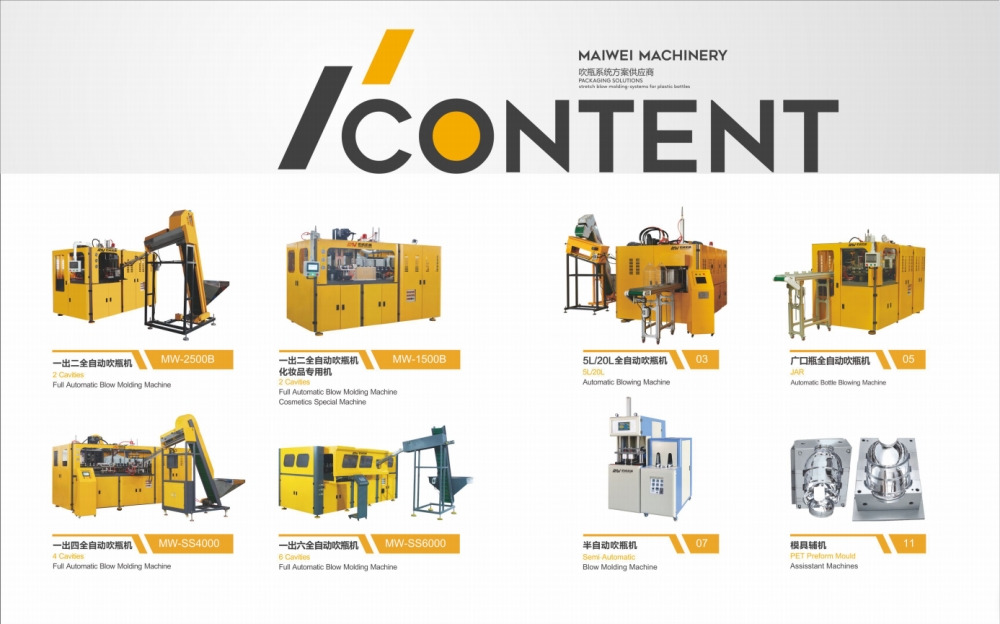
Maiwei is a trusted name in the blow moulding industry, known for manufacturing high-quality, reliable machines that meet the diverse needs of bottle production. Here are a few reasons why manufacturers choose Maiwei:
- Precision and Efficiency: Maiwei’s blow moulding machines offer precise control over the molding process, ensuring high-quality bottles with minimal defects. The advanced control systems also allow for energy-efficient production, reducing operating costs.
- Customization Options: Maiwei provides a variety of blow moulding machine configurations, including single and double station models, and machines capable of producing bottles of different shapes, sizes, and materials.
- High Production Capacity: Maiwei machines are built for high-volume production, capable of producing thousands of bottles per hour while maintaining consistent quality.
- User-Friendly Technology: With intuitive interfaces and automated systems, Maiwei’s blow moulding machines are easy to operate, allowing manufacturers to increase production speed without sacrificing quality.
- After-Sales Support: Maiwei offers excellent customer service, including technical support, training, and maintenance services to ensure that your blow moulding machines are always operating at their best.
Conclusion
The journey from raw material to finished plastic bottle is a complex process that requires precision, expertise, and the right equipment. Maiwei blow moulding machines stand at the forefront of this process, providing manufacturers with the tools they need to produce high-quality bottles quickly and efficiently. By understanding the key steps in bottle production and the role of blow moulding technology, manufacturers can make informed decisions when investing in machinery and equipment. Whether you’re looking to produce PET, HDPE, or PP bottles, Maiwei’s advanced blow moulding machines offer the versatility and reliability needed to meet the demands of the global packaging industry.
If you’re ready to take your bottle production process to the next level, Maiwei is here to help with cutting-edge blow moulding technology that delivers outstanding results every time.