French
  English
  Spanish
  Arabic
  Russian
  German
A blow moulding machine for plastic bottle is a specialized equipment designed to produce plastic bottles through the process of blow molding. This machine uses a combination of heat and air pressure to shape molten plastic into desired bottle shapes. It has the ability to produce a wide range of bottle sizes and shapes, making it a versatile solution for various industries such as packaging, food and beverage, pharmaceuticals, and household products.
The machine operates by melting plastic resin and then extruding it into a hollow tube, known as a parison. The parison is then placed into a mold and inflated with compressed air, allowing it to take the shape of the mold. Once the plastic cools and solidifies, the mold is opened, and the finished bottle is ejected.
The blow molding process offers many advantages, including the ability to produce lightweight and durable bottles at a high speed and low cost. Additionally, this technology allows for the production of customized bottles with unique designs and features, providing brands with the opportunity to stand out on store shelves.
With the increasing demand for sustainable packaging solutions, many blow molding machines now use eco-friendly materials such as biodegradable plastics, further reducing the environmental impact of plastic bottle production.

Versatile and Flexible for Customized Production Our blow moulding machine is designed to cater to a wide range of bottle sizes and shapes. With its flexibility, it allows for customized production to meet the specific needs of your business. Whether you need small or large bottles, our machine can produce it effortlessly.
Built to Last with High-Quality Materials We understand the importance of durability in manufacturing equipment. That’s why our blow moulding machine is built with high-quality materials and undergoes strict quality control measures to ensure long-lasting performance. Invest in our machine, and you’ll see the results for years to come.

Introducing our latest innovation in plastic bottle production – the blow moulding machine. Designed with advanced technology and precision engineering, this machine is the perfect solution for producing high-quality plastic bottles with ease and efficiency. Whether you are a small business looking to meet growing demand, or a large manufacturer looking to optimize production, our blow moulding machine is the ultimate choice for all your plastic bottle needs. Read on to learn more about its features and benefits.
1.Can a blow moulding machine produce different sizes and shapes of plastic bottles?
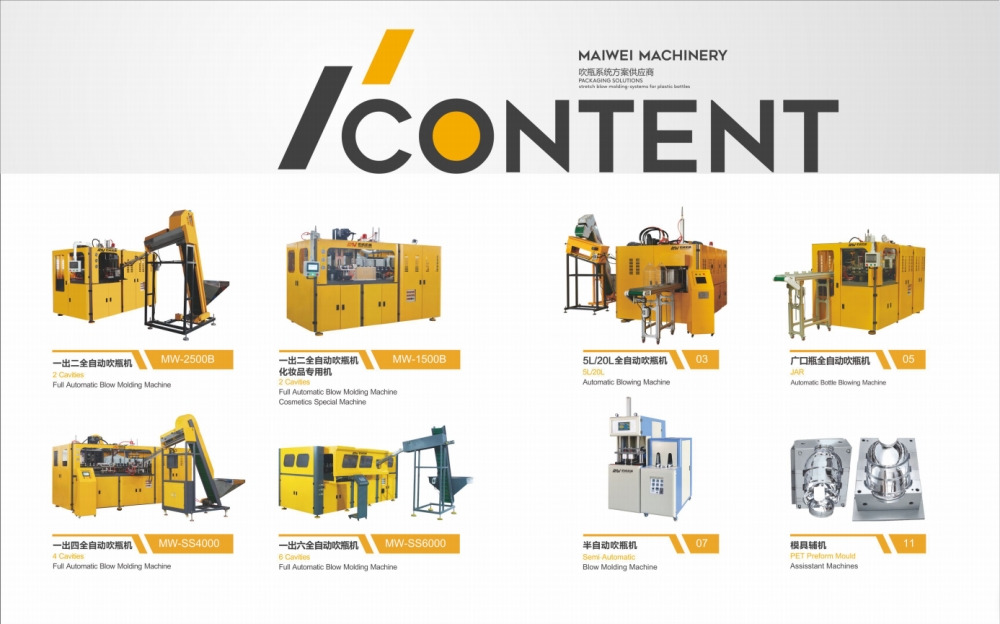
2.What are the different types of blow moulding machines for plastic bottle?
3.What materials can be used in a blow moulding machine for plastic bottle?
4.What are the advantages of using a blow moulding machine for plastic bottle?
5.How does a blow moulding machine work?
6.Can a blow moulding machine for plastic bottle be customized for specific production needs?
7.What factors should be considered when choosing a blow moulding machine for plastic bottle?
8.Can a blow moulding machine for plastic bottle be used for other types of containers?
9.Are there any specific maintenance requirements for a blow moulding machine for plastic bottle?
10.What are some common defects that can occur during the blow moulding process for plastic bottle production?
11.How is the quality of plastic bottles produced by a blow moulding machine ensured?
12.What is a blow moulding machine for plastic bottle?
1.Can a blow moulding machine produce different sizes and shapes of plastic bottles?
Yes, a blow moulding machine can produce different sizes and shapes of plastic bottles. This is because the machine uses a mould that can be customized to produce bottles of various sizes and shapes. The mould is designed to be adjustable and can be changed to produce different bottle designs. Additionally, the machine can also be programmed to produce bottles of different sizes and shapes by adjusting the settings and parameters. This flexibility allows the machine to produce a wide range of plastic bottles to meet the specific needs of different industries and products.
2.What are the different types of blow moulding machines for plastic bottle?
1. Extrusion Blow Moulding Machine: This type of machine uses a continuous extrusion process to produce plastic bottles. The plastic is melted and then forced through a die to form a hollow tube, which is then inflated into the shape of a bottle using compressed air.
- Injection Blow Moulding Machine: In this process, a preform is first injection molded and then transferred to a blow moulding station where it is inflated into the shape of a bottle using compressed air.
- Stretch Blow Moulding Machine: This type of machine is used to produce PET bottles. It involves stretching a preform in both the length and width directions before blowing it into the final bottle shape.
- Reheat Blow Moulding Machine: This machine is similar to the stretch blow moulding machine, but it uses a different heating process to soften the preform before blowing it into the final bottle shape.
- Injection Stretch Blow Moulding Machine: This is a combination of the injection and stretch blow moulding processes. It involves injecting a preform into a mould and then stretching and blowing it into the final bottle shape.
- Accumulator Head Blow Moulding Machine: This type of machine is used for producing large plastic bottles or containers. It uses a large accumulator to store the melted plastic and then injects it into the mould to form the bottle.
- Rotary Blow Moulding Machine: This machine has a rotating mould that allows for continuous production of bottles. It is commonly used for high-volume production of small bottles.
- Shuttle Blow Moulding Machine: This machine has a shuttle system that moves the mould back and forth between the heating and blowing stations. It is suitable for producing bottles of different sizes and shapes.
- Compression Blow Moulding Machine: This type of machine uses a compression process to form the bottle. The plastic is first heated and then compressed into the shape of the bottle using a mould.
- Injection Compression Blow Moulding Machine: This is a combination of the injection and compression blow moulding processes. It involves injecting a preform into a mould and then compressing it into the final bottle shape.
3.What materials can be used in a blow moulding machine for plastic bottle?
1. Polyethylene (PE): This is the most commonly used material in blow moulding for plastic bottles. It is a versatile and cost-effective material that can be easily molded into various shapes and sizes.
Polypropylene (PP): PP is another popular material used in blow moulding for plastic bottles. It is known for its high strength, durability, and resistance to chemicals and heat.
Polyethylene terephthalate (PET): PET is a lightweight and strong material that is commonly used for making water bottles, soda bottles, and other food and beverage containers.
Polyvinyl chloride (PVC): PVC is a rigid and durable material that is commonly used in blow moulding for plastic bottles. It is often used for making bottles for household cleaning products and personal care products.
Polycarbonate (PC): PC is a strong and transparent material that is commonly used for making bottles for juices, milk, and other beverages.
Acrylonitrile butadiene styrene (ABS): ABS is a tough and impact-resistant material that is commonly used for making bottles for automotive and industrial applications.
High-density polyethylene (HDPE): HDPE is a strong and lightweight material that is commonly used for making bottles for household and industrial chemicals, as well as for milk and other dairy products.
Low-density polyethylene (LDPE): LDPE is a flexible and lightweight material that is commonly used for making squeeze bottles, shampoo bottles, and other personal care products.
Polystyrene (PS): PS is a lightweight and rigid material that is commonly used for making bottles for cosmetics, pharmaceuticals, and other consumer products.
Polyethylene naphthalate (PEN): PEN is a strong and heat-resistant material that is commonly used for making bottles for hot-fill applications, such as hot sauces and cooking oils.
4.What are the advantages of using a blow moulding machine for plastic bottle?
1. Cost-effective production: Blow moulding machines are highly efficient and can produce a large number of plastic bottles in a short period of time, making it a cost-effective option for manufacturers.
Versatility: Blow moulding machines can produce bottles of various shapes, sizes, and designs, making it a versatile option for manufacturers to meet the diverse needs of their customers.
Customization: With blow moulding machines, manufacturers have the flexibility to customize the bottles according to their specific requirements, such as adding logos, labels, and other design elements.
High-quality output: The use of advanced technology and precision engineering in blow moulding machines ensures a high-quality output with consistent wall thickness and smooth finish.
Lightweight and durable bottles: Blow moulding machines produce bottles that are lightweight yet strong and durable, making them ideal for packaging and transportation.
Fast production speed: Blow moulding machines have a high production speed, which means manufacturers can quickly meet the demands of their customers and keep up with market trends.
Cost-effective tooling: The tooling used in blow moulding machines is relatively inexpensive compared to other manufacturing processes, making it a cost-effective option for small and medium-sized businesses.
Environmentally friendly: Blow moulding machines use recyclable materials, making it an environmentally friendly option for producing plastic bottles.
Low maintenance: Blow moulding machines are designed to be low maintenance, reducing the need for frequent repairs and saving manufacturers time and money.
Easy to operate: Most blow moulding machines are user-friendly and easy to operate, making it possible for manufacturers to train their staff quickly and efficiently.
5.How does a blow moulding machine work?
A blow moulding machine is used to create hollow plastic objects such as bottles, containers, and other similar products. The process involves melting plastic pellets and then shaping them into a hollow form using compressed air.
Here is a step-by-step explanation of how a blow moulding machine works:
- Plastic pellets are fed into the machine’s hopper, which then feeds them into the extruder.
- The extruder heats and melts the plastic pellets, turning them into a molten plastic.
- The molten plastic is then forced into a mould cavity using a rotating screw or ram.
- Once the molten plastic fills the mould cavity, compressed air is injected into the centre of the molten plastic. This air expands the plastic, pushing it against the walls of the mould and creating the desired shape.
- The mould is cooled using water or air to solidify the plastic.
- Once the plastic has cooled and solidified, the mould opens, and the newly formed plastic object is ejected.
- The excess plastic, also known as flash, is trimmed off the object using a cutting tool.
- The object is then ready for further processing, such as labeling, packaging, or shipping.
The entire process is automated and controlled by a computer, ensuring precision and consistency in the production of plastic objects. The speed and efficiency of the machine depend on factors such as the type of plastic used, the size and complexity of the object, and the machine’s capabilities.
6.Can a blow moulding machine for plastic bottle be customized for specific production needs?
Yes, a blow moulding machine for plastic bottle can be customized for specific production needs. The machine can be designed and built to meet the specific requirements of the customer, such as the size and shape of the bottles, the type of plastic material to be used, the production speed, and the automation level. The customization process may involve modifying the machine’s components, adding new features, or integrating additional equipment to meet the specific production needs. This allows for greater flexibility and efficiency in the production process, resulting in higher quality and more cost-effective production.
7.What factors should be considered when choosing a blow moulding machine for plastic bottle?
1. Production Capacity: The production capacity of the blow moulding machine should match the required output of plastic bottles. This includes the number of bottles produced per hour or per day.
- Bottle Size and Shape: The machine should be able to produce the desired size and shape of plastic bottles. This includes the volume, diameter, and height of the bottles.
- Material Compatibility: The machine should be compatible with the type of plastic material used for the bottles. Different types of plastics require different processing temperatures and techniques.
- Automation and Control: The level of automation and control of the machine should be considered based on the production requirements. Fully automated machines offer higher efficiency and consistency in production.
- Energy Efficiency: The energy consumption of the machine should be considered to reduce production costs and minimize environmental impact.
- Maintenance and Service: The availability of spare parts and the ease of maintenance and service should be considered to ensure smooth operation and minimize downtime.
- Cost: The cost of the machine should be considered in relation to the production capacity and features offered. It is important to find a balance between cost and production requirements.
- Brand and Reputation: The brand and reputation of the manufacturer should be considered to ensure the quality and reliability of the machine.
- Technical Support: The availability of technical support and training from the manufacturer should be considered to ensure proper operation and maintenance of the machine.
- Future Expansion: If there is a possibility of future expansion, the machine should have the capability to be upgraded or modified to accommodate increased production needs.
8.Can a blow moulding machine for plastic bottle be used for other types of containers?
Yes, a blow moulding machine for plastic bottles can be used for other types of containers such as jars, cans, and other hollow plastic containers. However, the machine may need to be adjusted or modified to accommodate the different shapes and sizes of the containers. Additionally, the type of plastic used for the containers may also need to be changed to ensure proper molding and strength.
9.Are there any specific maintenance requirements for a blow moulding machine for plastic bottle?
1. Regular Cleaning: The blow moulding machine should be cleaned regularly to remove any dirt, debris, or residue that may accumulate during the production process. This will help prevent contamination of the plastic bottles and ensure the quality of the final product.
Lubrication: The moving parts of the machine, such as the clamping unit, should be lubricated regularly to prevent wear and tear and ensure smooth operation. It is important to use the recommended lubricants and follow the manufacturer’s instructions for proper lubrication.
Inspection and Replacement of Parts: The machine should be inspected regularly for any signs of wear and tear, damage, or malfunctioning parts. Any damaged or worn-out parts should be replaced immediately to prevent further damage to the machine and ensure its efficient operation.
Calibration: The machine should be calibrated regularly to ensure that it is producing bottles of the desired size and shape. Any deviations from the desired specifications should be corrected immediately to maintain the quality of the bottles.
Cooling System Maintenance: The cooling system of the machine should be checked regularly to ensure that it is functioning properly. Any clogs or leaks should be addressed immediately to prevent overheating and damage to the machine.
Electrical Maintenance: The electrical components of the machine should be inspected regularly to ensure that they are in good working condition. Any damaged or faulty electrical components should be replaced immediately to prevent accidents and ensure the safety of the operators.
Training and Education: Proper training and education should be provided to the operators and maintenance personnel to ensure that they are familiar with the machine’s operation and maintenance procedures. This will help prevent any mishaps and ensure the efficient operation of the machine.
Follow Manufacturer’s Instructions: It is important to follow the manufacturer’s instructions for maintenance and operation of the machine. This will help prolong the life of the machine and ensure its efficient operation.
10.What are some common defects that can occur during the blow moulding process for plastic bottle production?
1. Thin or uneven walls: This defect occurs when the plastic material is not distributed evenly during the blow moulding process, resulting in some areas of the bottle being thinner than others. This can lead to weak spots and potential leaks in the bottle.
Flashing: Flashing is excess plastic material that protrudes from the seams or edges of the bottle. This can occur when the mould is not properly closed or when there is too much pressure during the blowing process.
Inconsistent neck finish: The neck finish of a bottle is the threaded portion where the cap is screwed on. Inconsistent neck finish can occur when the mould is not properly aligned, resulting in a crooked or misshapen neck.
Poor surface finish: This defect can manifest as rough or bumpy surfaces on the bottle, which can be caused by a variety of factors such as improper cooling, poor mould design, or contamination of the plastic material.
Air bubbles: Air bubbles can form inside the bottle during the blowing process, resulting in weak spots and potential leaks. This can be caused by inadequate cooling or poor quality plastic material.
Warping: Warping occurs when the bottle becomes distorted or misshapen during the cooling process. This can be caused by uneven cooling or improper mould design.
Inconsistent wall thickness: Similar to thin or uneven walls, inconsistent wall thickness can occur when the plastic material is not distributed evenly during the blowing process. This can result in weak spots and potential leaks in the bottle.
Sink marks: Sink marks are depressions or indentations on the surface of the bottle, which can be caused by uneven cooling or inadequate pressure during the blowing process.
Delamination: Delamination is the separation of layers in the bottle, which can occur when the plastic material is not properly bonded together during the blowing process.
Contamination: Contamination can occur when foreign particles or impurities are present in the plastic material, resulting in defects such as discoloration or weak spots in the bottle.
11.How is the quality of plastic bottles produced by a blow moulding machine ensured?
1. Quality Control during Material Selection: The first step in ensuring the quality of plastic bottles produced by a blow moulding machine is to carefully select the raw materials. The plastic resin used for blow moulding should be of high quality and meet the required specifications for the type of bottle being produced.
Proper Machine Set-up: The blow moulding machine should be set up properly according to the specifications of the bottle being produced. This includes setting the correct temperature, pressure, and speed for the machine to ensure consistent and high-quality production.
Regular Maintenance and Calibration: The blow moulding machine should be regularly maintained and calibrated to ensure that it is functioning properly. This includes checking and replacing any worn or damaged parts, as well as calibrating the machine to ensure accurate production.
Quality Control during Production: During the production process, quality control checks should be performed at regular intervals to ensure that the bottles being produced meet the required specifications. This can include checking for defects, such as thin walls or air bubbles, and making adjustments to the machine if necessary.
Inspection of Finished Products: Once the bottles are produced, they should be inspected for any defects or imperfections. This can be done manually or with the use of automated inspection systems. Any defective bottles should be removed from the production line to maintain the overall quality of the batch.
Testing for Strength and Durability: Plastic bottles produced by a blow moulding machine should also undergo testing to ensure their strength and durability. This can include drop tests, pressure tests, and other quality control measures to ensure that the bottles can withstand the intended use.
Compliance with Industry Standards: The production of plastic bottles should also comply with industry standards and regulations to ensure the safety and quality of the final product. This can include meeting food-grade standards for bottles used for food and beverage packaging.
Continuous Improvement: To ensure consistent quality, the blow moulding process should be continuously monitored and improved upon. This can involve analyzing production data, identifying areas for improvement, and implementing changes to enhance the quality of the bottles being produced.
12.What is a blow moulding machine for plastic bottle?
A blow moulding machine for plastic bottle is a type of manufacturing equipment used to produce plastic bottles through the process of blow moulding. This process involves melting plastic resin and then blowing it into a mould to create the desired shape of the bottle. The machine typically consists of a heating unit, a moulding unit, and a cooling unit. It can produce bottles of various sizes and shapes, and is commonly used in the production of water bottles, soda bottles, and other types of plastic containers.